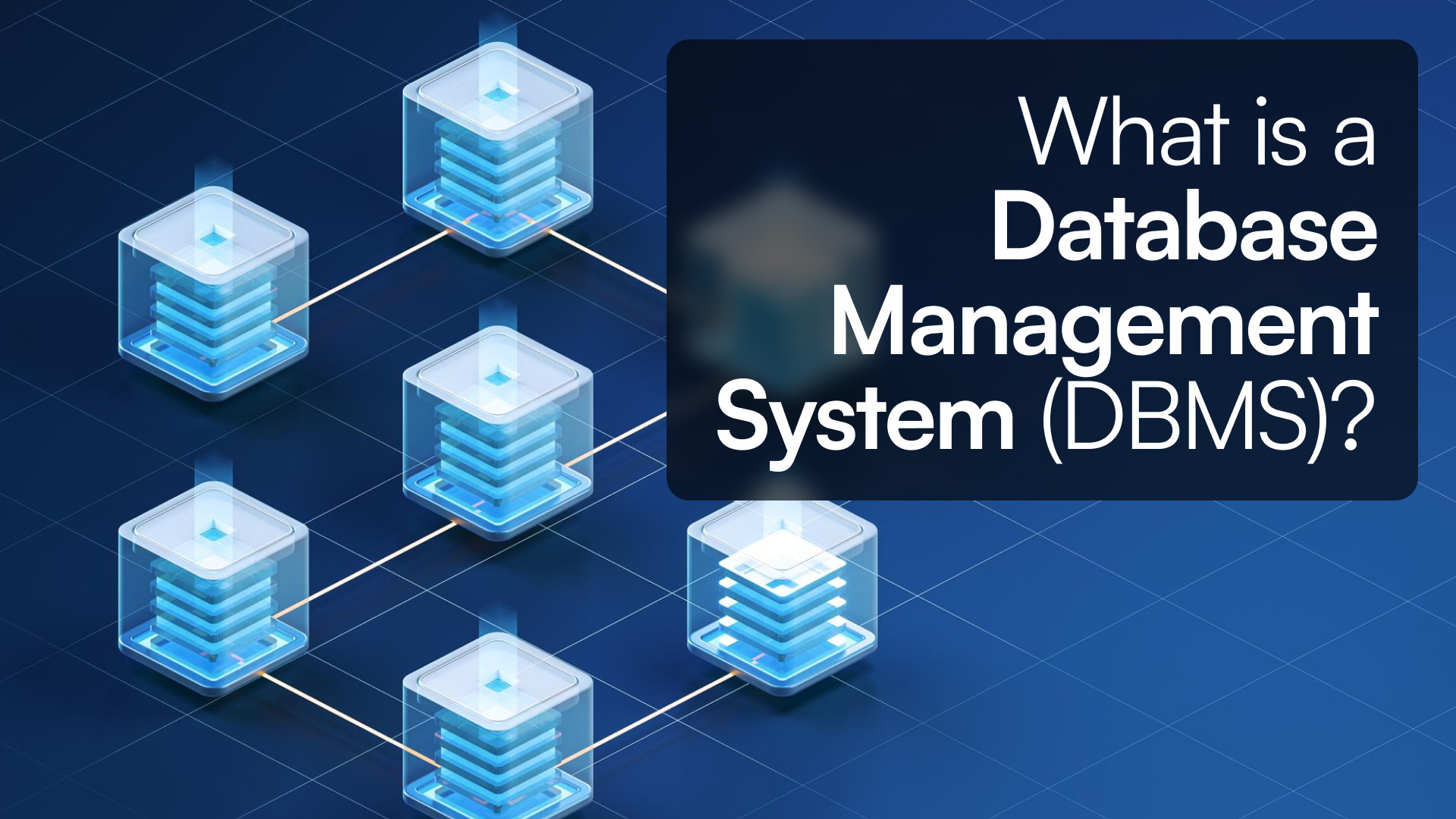
This course comprises of fundamental conceptual principles and practices, an
Introduction to database system, entity relationship model (ER- Model), relational
model, SQL (Structured Query Language) overview, relational database design, database transaction, database backup recovery, security. It will be delivered using both the conceptual and theoretical inputs through presentation, discussion, reflective reading and group works as well as practical and real world experiences through different practical activities.
- Teacher: System Administrator
- Teacher: Gaurav Kumar Karn
- Teacher: Premendra Nidhi
This course comprises of fundamental conceptual principles and practices, basic introduction to data structure, concept of object oriented programming (OOP) using C++, class and object, abstraction and Encapsulation, Inheritance, Polymorphism. It will be delivered using both the conceptual and theoretical inputs through presentation, discussion, reflective reading and group works as well as practical and real world
experiences through different practical activities.
- Teacher: Premendra Nidhi
Programming is the fundamental concept that is most prevalent in present informative
society. Programming is the backbone of all the electronics devices, web services and other
devices we use in day-to-day activities. The overall development of Programming has
helped us to perform our day-to-day actions accurately and in fraction of times. We wonder
how it works, the control mechanisms of various devices, interrelation between many
components of a single devices, the era of wonder has been achieved by programming. Yes,
programming has been an invisible actor in present context which is present everywhere
and its usage is increasing day by day with advancement of technology. For advanced
learning and basic requirement in job market programming knowledge is mandatory. So,
Government of Nepal has realized its importance, necessity and effectiveness so it has
development this curriculum in accordance to the National Curriculum framework 2076.
The study of this course will help students to learn about the programming technologies.
The curriculum aims to help the students with the fundamental concept of programming with
C. The curriculum comprises of Introduction to programming where the basic apprehension
of programming is presented, in second unit fundamentals of C where basic knowledge of
C is presented, in third unit control flow statements where the flow controlling mechanism
is presented moreover in other unit’s functions of C, arrays in C, Strings in C, structure
and unions in C and pointers in C. The course is combination of theory and practical and
pedagogical approaches in delivering the course should consider in balance between theory
and practical. The same methodology applies in case of student evaluation procedure too.
The curriculum has been offered as per the structure of National Curriculum Framework
2076. It provides a comprehensive outline of level-wise competencies, grade-wise leaning
outcomes and scope and sequence of contents, suggested practical/project activities,
learning facilitation process and assessment strategies so as to enhance the learning on the
subject systematic.
- Teacher: Shiv Thakur

This course aims to help student in web designing concepts. The curriculum comprises of a basics of website design, website design principles, HTML basic, HTML elements,HTML 5 basic, cascading style sheet and java script fundamentals. HTML leads to the design of static web pages and CSS provides better designing and java script with some dynamic tools of website. This course provides basic concept for overall web design and will help students to develop a sample page. There should be balance between theory and practical while delivering the course. The same applies in student evaluation procedure too.
The curriculum is structured in accordance with National Curriculum Framework, 2076. It focuses on both theoretical and practical aspects having equal teaching and practical. It incorporates the level-wise competencies, grade-wise leaning outcomes, scope and sequence of contents, suggested practical/project activities, learning facilitation process and assessment strategies so as to enhance the learning on the subject systematically
Computer Fundamentals introduces high school students (grades 9–12) to essential computing concepts, aiming to build digital literacy and prepare them for further studies or careers in technology. The course blends theory with practical applications, ensuring students understand how computers work and how they are used in real life.
Students begin with the history and evolution of computers, types of systems, and key components such as hardware (input, output, storage, CPU, memory) and software. They explore number systems, data representation, files, and operating systems to understand how computers process information. Networking and the internet are studied in detail, including LAN, WAN, cloud computing, cybersecurity, and safe internet practices.
Practical sections cover productivity tools (word processing, spreadsheets, presentations), databases, multimedia, and emerging technologies like AI and robotics. Ethical issues such as digital divide and plagiarism are also addressed. By the end, students gain strong computer knowledge, digital skills, and awareness of technology’s social impact.
- Teacher: Premendra Nidhi
- Teacher: Shiv Thakur